CRISPR-Edited Fibroblasts: Applications in Disease Modeling, Cancer Research, and Drug Discovery
Disease Models, Primary Cells, fibroblast | April 9, 2025 | By John Latimer
Updated July 14th, 2026.
Key Takeaways
- Fibroblasts are central to fibrosis, wound healing, and the tumor microenvironment.
- CRISPR enables precise functional studies in primary fibroblasts.
- Cancer-associated fibroblasts (CAFs) are becoming major therapeutic targets.
- High-throughput CRISPR screening is accelerating fibroblast research.
- Scalable engineered fibroblast models improve reproducibility in drug discovery.
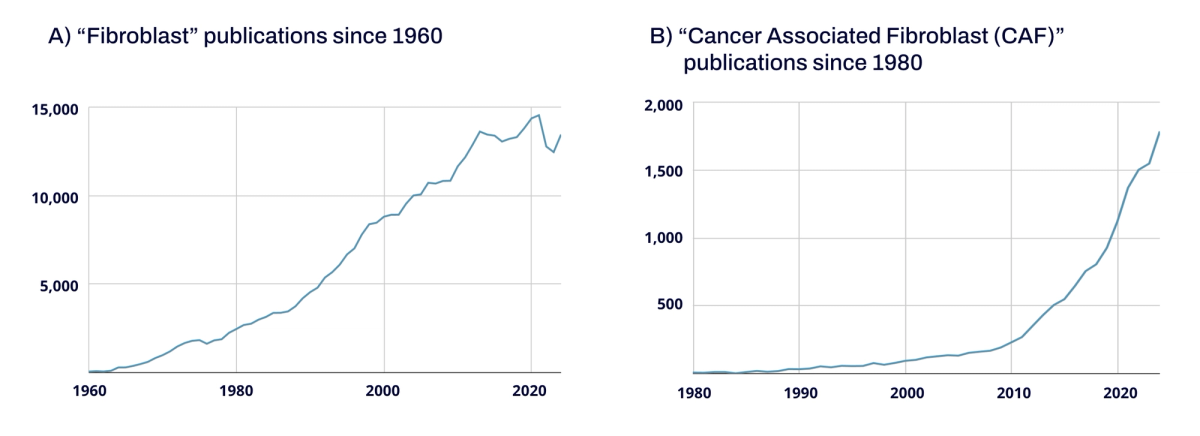
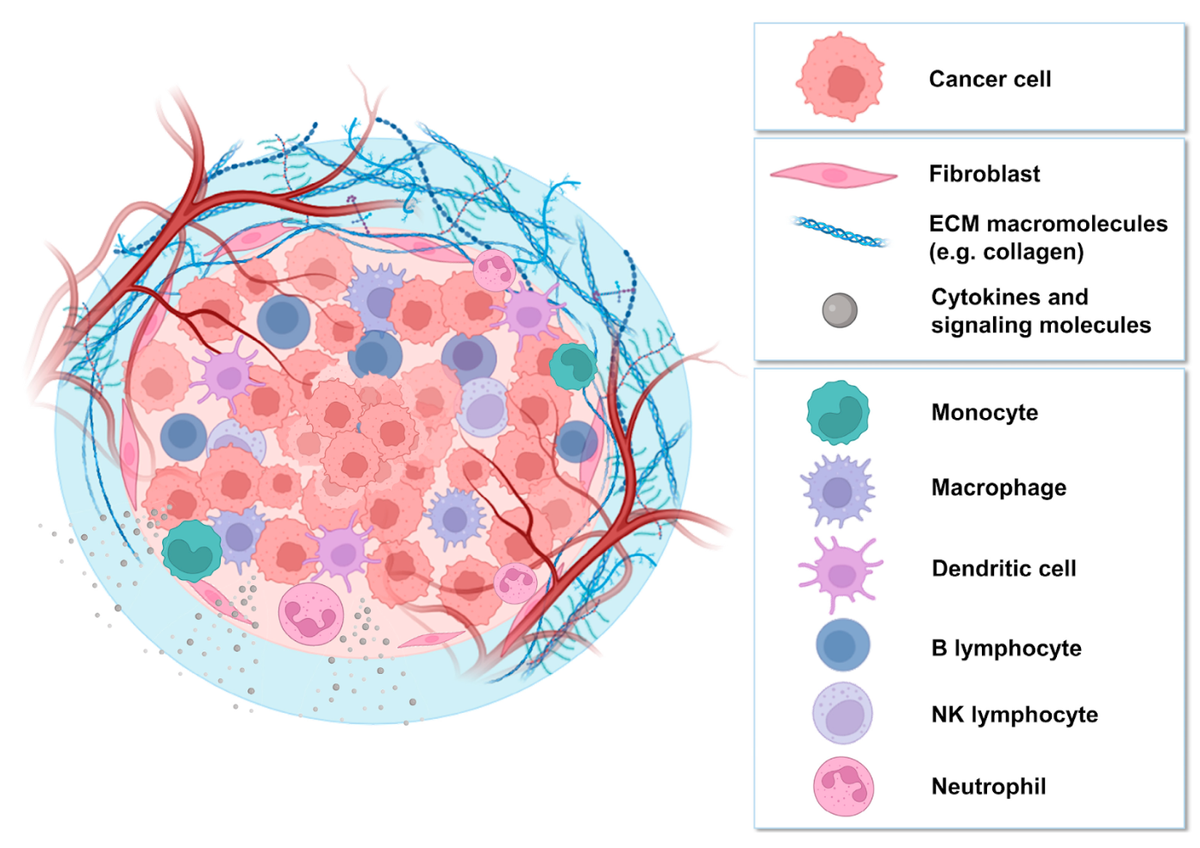
Fibroblasts are essential connective tissue cells that play a key role in extracellular matrix production, wound healing, and cellular signaling. In more recent years, fibroblasts have been implicated in oncologic malignancies, specifically the tumor microenvironment or TME (the ecosystem surrounding a tumor composed of various cells, ECM, and soluble factors). However, this cell type remains significantly understudied and is the focus of many researchers across academia, biotechs, and pharmaceutical companies.
With the discovery of CRISPR gene editing, researchers can now precisely modify the genome to study genetic pathways, disease mechanisms, drug responses, and cellular behavior. This blog explores how CRISPR-edited fibroblasts are advancing research across various domains.
Fibroblasts' Role in Disease Modeling and Mechanistic Studies
Fibroblasts play a central role in fibrotic diseases by driving excessive extracellular matrix (ECM) deposition, leading to tissue scarring and organ dysfunction. In response to chronic injury or inflammation, fibroblasts differentiate into myofibroblasts, a highly contractile and ECM-producing cell type that contributes to the pathological stiffening of tissues seen in conditions such as pulmonary fibrosis, liver cirrhosis, and systemic sclerosis. In the tumor microenvironment, fibroblasts—often termed cancer-associated fibroblasts (CAFs)—promote tumor progression by remodeling the ECM, fostering immune evasion, and facilitating angiogenesis. CAFs can create a fibrotic stroma (the non-parenchymal part of an organ or tissue, providing structure and functional support) that not only supports tumor growth but also contributes to therapy resistance by acting as a physical and biochemical barrier to drug penetration. Understanding the mechanisms that give rise to these phenotypes is critical to developing therapeutic strategies in various diseases.
Why are Fibroblasts Difficult to Study?
- Heterogeneity: Fibroblasts are not all the same. Even within the same tissue, they can vary in function, gene expression, and phenotype. This makes it hard to generalize findings or identify consistent biomarkers.
- Plasticity: They’re highly plastic—meaning they can change their behavior depending on the environment. In vitro conditions, resulting from growing in a laboratory environment, can drastically alter their gene expression and function, making them behave differently than in a living organism.
- Lack of Specific Markers: There’s no single “universal” marker that specifically labels fibroblasts. They often get identified by exclusion (i.e., "not epithelial, not endothelial, not immune cells").
- Functional Redundancy: Multiple fibroblast subtypes can perform similar roles, so knocking out one pathway or gene might not show a clear phenotype, making functional studies harder.
Overall, there is significant heterogeneity across fibroblasts depending on the organ of origin. As a result, researchers have historically struggled with identifying specific fibroblasts and their individual roles within organ function. Additionally, diseases associated with fibroblasts often involve multiple cell types and the precise roles of each have not been fully defined. In recent years, advancements such as single-cell RNA sequencing (scRNA-Seq) provide a detailed view of transcriptomes, offering insights into cell types, states, and functions within complex tissues like the tumor microenvironment. These technological advancements, paired with precise gene editing through CRISPR, help to identify genes associated with fibroblast-related diseases.
How CRISPR Has Helped?
- Targeted Gene Editing: CRISPR allows precise knockout or activation of genes in fibroblasts, which helps identify the role of specific genes despite their functional redundancy. This is particularly important in fibroblasts, which exhibit complex roles in various tissues, including wound healing, fibrosis, and cancer progression.
- Single-Cell CRISPR Screens: By combining CRISPR with single-cell RNA sequencing, researchers can study how gene knockouts affect individual fibroblasts in a heterogeneous population—greatly improving resolution. This granular approach uncovers cellular diversity and provides insights into fibroblast behavior that would be invisible in bulk studies.
- Improved In Vivo Models: CRISPR enables generation of genetically engineered mouse models with fibroblast-specific gene alterations, allowing more accurate studies in the tissue context. These insights are crucial for understanding diseases like fibrosis and cancer, where fibroblasts play a pivotal role.
- Lineage Tracing and Cell Identity: CRISPR tools can be used for lineage tracing (e.g., CRISPR-based barcoding), helping researchers understand how fibroblasts change over time or respond to injury or disease. This technique offers an unprecedented view of fibroblast dynamics in living organisms.
- Overcoming Compensatory Mechanisms: Multiplex CRISPR (targeting multiple genes at once) can bypass the issue of redundancy, allowing researchers to observe effects that would be masked by backup systems. This approach helps reveal pathways that may otherwise remain hidden, leading to the discovery of novel therapeutic targets.
In sum, CRISPR technology has fundamentally transformed how we study fibroblasts by offering unprecedented precision and versatility in genetic manipulation. These innovations are not only advancing our understanding of fibroblast biology but are also opening new doors for targeted therapies in a wide range of diseases, ultimately leading to more effective treatments with fewer side effects.
How is CRISPR Currently Advancing Our Scientific Breakthroughs?
Mutant Estrogen Receptor Turns Fibroblasts into Tumor Allies
In the battle between cancer and the body’s immune defenses, cancer cells aren’t acting alone—they’re recruiting help. A 2024 study published in Cell Communication and Signaling revealed how a mutant estrogen receptor (Y537S) in breast cancer cells can manipulate nearby normal fibroblasts to become cancer-associated fibroblasts (CAFs), key players in tumor progression. Using CRISPR-Cas9, researchers introduced the Y537S mutation into MCF-7 breast cancer cells and tracked the subsequent effects on surrounding fibroblasts. They discovered that the mutation activated YAP1, a crucial regulator of cell proliferation and survival, in the cancer cells. This activation triggered a transformation in normal fibroblasts, reprogramming them into CAFs that promoted tumor growth, migration, and invasion.
CRISPR's unique power to dissect the dynamic interactions between tumor cells and their microenvironment has been in the limelight lately for good reason. By precisely editing specific genes, scientists can reveal how cancer cells hijack neighboring cells to promote their own survival, providing new avenues for targeted therapies that could interrupt these tumor-stromal collaborations.
CRISPR Screening Unlocks New Targets in Liver Fibrosis Research
Liver fibrosis, a condition characterized by excessive scar tissue buildup, is a major driver of liver failure. However, understanding the genetic mechanisms that underlie this process has been challenging due to the complex signaling networks involved. A groundbreaking recent study by Yu, et al. leveraged genome-wide CRISPR-Cas9 screening to identify critical genes regulating the fibrotic response in human hepatic stellate cells—fibroblasts that play a central role in liver fibrosis. The researchers applied CRISPR to systematically knock out genes in the hepatic stellate cells and exposed them to TGF-β, a potent fibrotic inducer.
By examining the effects on fibrosis, they identified several previously unknown genes involved in fibrogenesis, offering fresh targets for potential therapeutic interventions. In particular, gene knockout of key regulators led to a significant reduction in fibrosis, indicating that these pathways could be targeted to halt or even reverse the fibrotic process.
EditCo’s Platform Accelerates Fibroblast Research
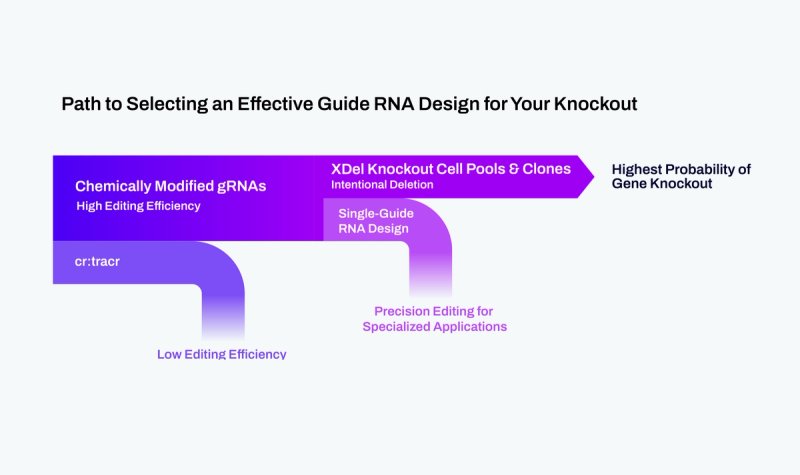
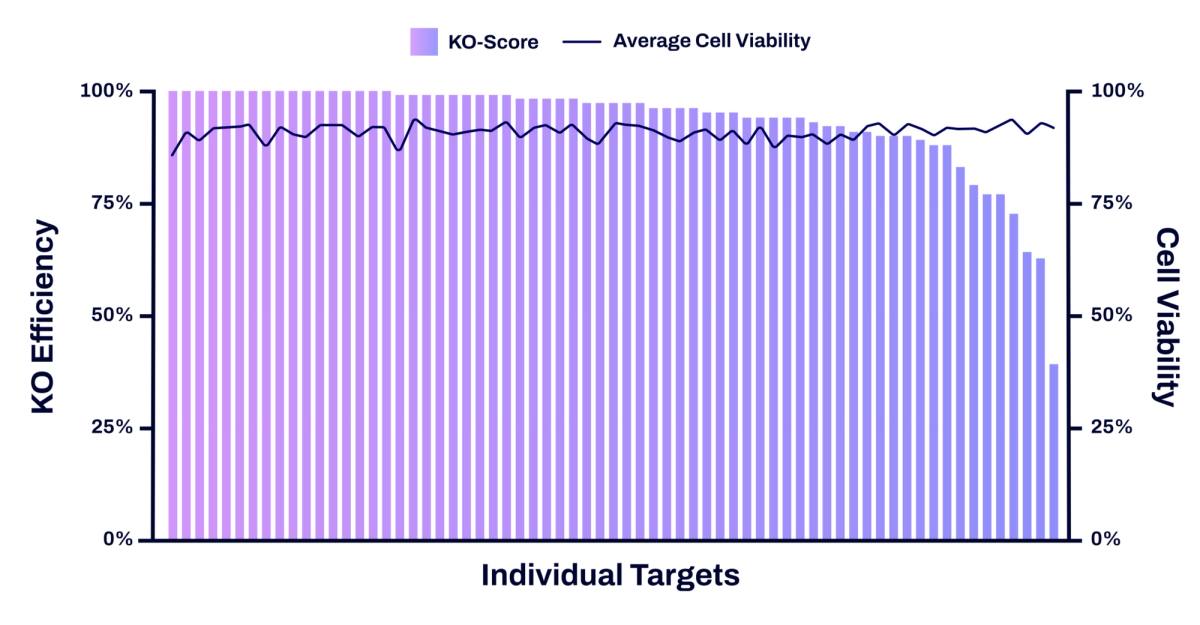
CRISPR has more recently been used to successfully screen and profile hundreds of targets in a single experiment. EditCo’s Engineered Cells and Cell Libraries, powered by XDel gene knockout technology, enable high-volume editing across genomic loci and are now available for fibroblasts. In a recent partnered project, EditCo successfully generated over 60 knockouts in human colonic fibroblasts, enabling downstream assays such as cytokine release, collagen production, and other phenotypic analyses for each loci. EditCo’s XDel knockout technology enabled easy, efficient access to any gene within the human or mouse genomes, expediting our partners’ research.
Conclusion
As fibroblast biology becomes increasingly important across oncology, fibrosis, regenerative medicine, and immunology, scalable CRISPR-engineered fibroblast models are becoming an essential research tool for target validation and functional genomics. As CRISPR technology continues to evolve, these engineered cells will play an increasingly vital role in accelerating discoveries in biomedical research. By leveraging the power of CRISPR, researchers can unlock new insights into fibroblast biology and disease pathology - driving innovation in preclinical studies and translational research.
Furthermore, as fibroblast research progresses, scientists will benefit from novel biomimetic models as well as high-throughput screening capabilities. EditCo is here at the forefront, planning to support this research through reliable, consistent, scalable CRISPR gene editing.
Resources
Fouillet, J., et al. 2024. Unveiling the Tumor Microenvironment Through Fibroblast Activation Protein Targeting in Diagnostic Nuclear Medicine: A Didactic Review on Biological Rationales and Key Imaging Agents. Biology. 13(12), 967.
López-Márquez, A., et al. 2022. CRISPR/Cas9-Mediated Allele-Specific Disruption of a Dominant COL6A1 Pathogenic Variant Improves Collagen VI Network in Patient Fibroblasts. Int. J. Mol. Sci. 23(8), 4410.
Lendahl, U., Muhl, L., & Betsholtz, C. 2022. Identification, discrimination and heterogeneity of fibroblasts. Nature Communications. 13. 3409.
Gelsomino, L., Caruso, A., Tasan, E. et al. 2024. Evidence that CRISPR-Cas9 Y537S-mutant expressing breast cancer cells activate Yes-associated protein 1 to driving the conversion of normal fibroblasts into cancer-associated fibroblasts. Cell Commun Signal 22, 545.
Yu, S., et al. 2022. Genome-wide CRISPR Screening to Identify Drivers of TGF-β-Induced Liver Fibrosis in Human Hepatic Stellate Cells. ACS Chem Biol. 17, 918.